Health and Safety Policy for Cleaners Outhkensington
 Cleaners Outhkensington is committed to maintaining a safe, healthy, and controlled working environment for all cleaning staff, clients, and anyone who may be affected by our operations. This health and safety policy sets out the standards we follow to reduce risk, prevent injury, and support safe working practices across every cleaning assignment. We recognise that cleaning work can involve physical effort, chemical exposure, moving equipment, and working in varied environments, so our approach is based on careful planning, clear responsibilities, and consistent training.
The purpose of this policy is to promote a positive safety culture where risk awareness is part of everyday work. Whether staff are undertaking domestic cleaning, commercial cleaning, or specialist tasks, they are expected to follow safe methods, report hazards promptly, and work in a way that protects themselves and others. Safety is not treated as an additional step; it is built into the cleaning process from the start.
 This policy applies to all employees, temporary workers, supervisors, and any subcontracted personnel carrying out cleaning activities on behalf of the company. It also supports the safe use of premises, equipment, and materials in line with recognised good practice. The company will review this policy regularly to ensure it remains effective, practical, and suitable for the types of cleaning services delivered.
Responsibilities and Working Standards
All staff have a duty to work responsibly and take reasonable care of their own health and safety and that of others. Supervisors are responsible for ensuring tasks are properly planned, that staff receive the correct information, and that any known hazards are addressed before work begins. Managers must make sure that suitable equipment is available, procedures are followed, and concerns are acted upon without delay.
Employees are expected to use safe cleaning methods, wear appropriate personal protective equipment where required, and avoid improvising when a task can be completed safely by following established procedures. Unsafe shortcuts are not acceptable, even when work is time-sensitive. If a cleaner believes a task cannot be completed safely, they must stop the job and report the issue immediately.
The company encourages open communication about hazards, incidents, and near misses.  Any event that could have caused injury, damage, or contamination should be reported so that the cause can be understood and similar incidents prevented in future. This includes slips, trips, exposure to substances, equipment faults, and any situation where a worker feels unable to carry out duties safely.
Hazard Control and Safe Procedures
Cleaning work may involve wet floors, awkward lifting, chemical products, confined spaces, and contact with bodily fluids or sharp objects. To reduce these risks, staff must assess the work area before starting and identify anything that may create danger. Floors should be kept clear where possible, warning signs should be used when surfaces are wet, and equipment must be positioned so it does not create a tripping hazard.
Where chemicals are used, they must be selected, stored, and handled with care. Products should only be used according to instructions and in the correct dilution. Never mix cleaning chemicals, as this can produce harmful fumes or reactions. Staff must be trained to recognise labels, understand safe handling requirements, and know what action to take in the event of spills or accidental exposure.
Manual handling is another important control area. Staff should use correct lifting techniques, avoid carrying loads that are too heavy, and request assistance where needed.  Cleaning tools and trolleys should be arranged to reduce repetitive strain and unnecessary bending. If equipment is damaged or unsuitable, it must not be used until it has been checked or replaced.
Training, Equipment, and Monitoring
All cleaners receive training appropriate to their role, including safe use of products, correct handling of tools, infection control awareness where relevant, emergency procedures, and how to identify hazards. Training is reinforced through supervision and routine checks so that safe practices become consistent habits rather than one-off instructions.
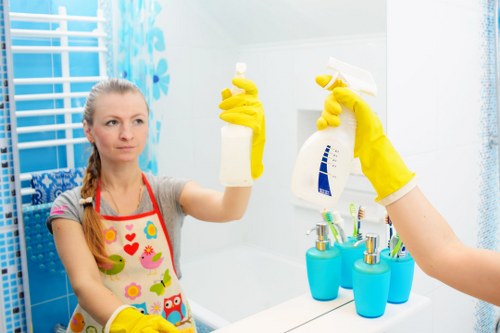
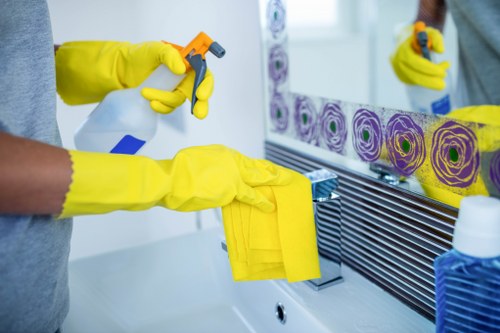
Personal protective equipment may include gloves, aprons, masks, eye protection, or other items depending on the task. The company ensures PPE is suitable for the work being carried out and that staff understand when and how to use it. PPE must be kept clean, maintained properly, and replaced when worn or damaged. It should be viewed as the final line of defence, not the primary safety control.
Cleaning equipment must be maintained in good condition and checked regularly for faults. Electrical equipment should be visually inspected before use, and any defective item must be removed from service until repaired by a competent person. 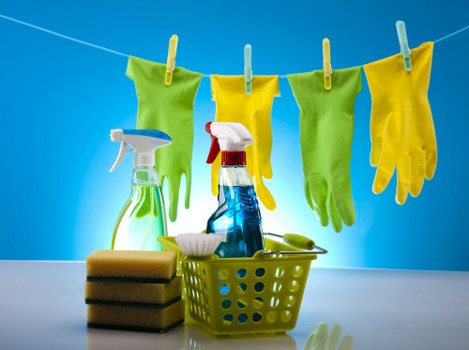 Records may be kept for training, maintenance, and incidents so that performance can be monitored and improvements made. This helps ensure that the cleaning health and safety policy remains effective in practice.
Emergency Response and Review
In an emergency, staff must follow the site’s evacuation arrangements and any instructions given by responsible persons. They should know how to respond to fire alarms, accidents, chemical exposure, and medical incidents. First aid support should be sought immediately where necessary, and any serious matter must be escalated without delay. Cleaners should never put themselves at risk when helping others.
The company is also committed to protecting mental wellbeing by promoting reasonable workloads, respectful communication, and clear expectations. Fatigue, stress, and pressure can affect concentration and increase the chance of mistakes, so supervisors should monitor workloads and encourage staff to speak up if they feel unsafe or overwhelmed. A healthy workplace supports safe performance.
This policy will be reviewed regularly and updated whenever work methods, equipment, or risks change. The aim is to maintain a practical and effective approach that supports a high standard of safety across all cleaning services. Through responsibility, training, and consistent control measures, Outhkensington cleaners can deliver their work safely while protecting people, property, and professional standards.