Upholstery cleaning disposal rules for Kensington and Chelsea
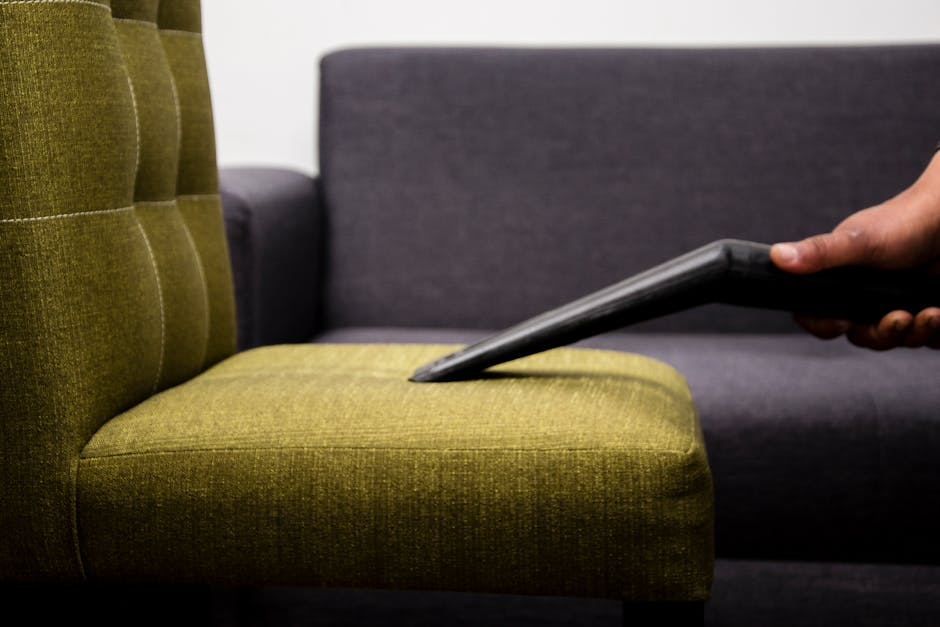
If you are dealing with a sofa, armchair, curtain or dining chair that needs cleaning, the messy part is often not the fabric itself. It is the waste that comes with it: wastewater, used cloths, filters, packaging, and sometimes items that are too far gone to save. Understanding the upholstery cleaning disposal rules for Kensington and Chelsea helps you avoid fly-tipping problems, protect drains, and keep your cleanup tidy from start to finish. That matters whether you are a homeowner, landlord, tenant, letting agent, or business manager trying to keep a property looking sharp without creating a disposal headache.
In this guide, we will walk through what usually counts as cleaning waste, what should never go down the sink, how responsible disposal typically works in practice, and where people most often slip up. We will also cover the local angle in plain English, because let's face it, London buildings are rarely simple and Kensington and Chelsea can be especially picky about waste handling in shared entrances, basement flats, and managed properties.
Why Upholstery cleaning disposal rules for Kensington and Chelsea Matters
Upholstery cleaning looks straightforward from the outside. A technician arrives, treats stains, extracts dirt, and leaves the piece fresher than before. But the waste stream behind that job can be surprisingly sensitive. Dirty water may contain soil, oils, cleaning residue, pet contaminants, food particles, and fine fibres. Used pads, disposable cloths, and damaged attachments also need to be handled properly.
In Kensington and Chelsea, that matters for three reasons. First, many properties are in shared buildings where a careless disposal habit can affect neighbours, drains, or communal bins. Second, the borough has a lot of high-value interiors, so people tend to care a great deal about preserving surfaces, hallways, and lifts. Third, a bad disposal method can create avoidable problems during a tenancy check, insurance claim, or property handover. Nobody wants to be explaining a blocked sink after an otherwise neat job.
There is also a simple reputational point. If you are a landlord, hotel operator, letting agent or homeowner, your waste handling says something about how you manage the whole property. Tidy, compliant disposal supports the overall standard. Messy disposal does the opposite. Easy to overlook, but noticeable.
Expert summary: The safest approach is to treat upholstery-cleaning waste as a separate part of the job, not an afterthought. Keep wastewater controlled, separate solid waste, and use lawful disposal methods that suit the property type and the waste produced.
How Upholstery cleaning disposal rules for Kensington and Chelsea Works
There is no single one-size-fits-all disposal routine for upholstery cleaning. The right method depends on the cleaning process, the setting, and the waste generated. In practice, the job usually falls into four waste categories.
1. Wastewater or extraction liquid
This is the liquid collected during steam or hot water extraction, or the rinse water from hand cleaning. It can look innocent enough, but it may contain dirt, cleaning agents, body oils, and particles lifted from deep in the fabric. It should be treated carefully. In general, you want to avoid dumping heavy amounts into a sink without thought, especially if the property has old pipework or shared drainage.
2. Solid waste from the cleaning process
This includes lint, dust, fluff, hair, dried soil, packaging, disposable cloths, gloves, and worn filters. These should be collected and disposed of through the normal general waste stream unless they are contaminated in a way that requires different handling.
3. Removed furniture or unusable parts
Sometimes upholstery is beyond cleaning. A frame may be broken, webbing collapsed, or fabric badly damaged. In that case, disposal shifts from cleaning waste to bulky waste or furniture clearance. That is where a service such as house clearance can be useful if multiple items need to go, or if the piece is part of a larger declutter before or after a clean.
4. Chemical containers and product packaging
Empty bottles, concentrates, and labelled containers need attention too. They should not be rinsed into drains unless the product instructions clearly allow it and the amount is sensible. As a rule, responsible operators keep packaging separate, store products safely, and follow the disposal instructions on the label.
For most domestic jobs, disposal is pretty mundane once you strip it down: separate solids, control liquids, avoid drain abuse, and make sure nothing ends up in the wrong bin. In commercial or managed buildings, you may also need to coordinate access, storage, and collection timing. A little planning saves a lot of faff later on.
Key Benefits and Practical Advantages
Good disposal practice is not just about avoiding trouble. It also makes the cleaning itself more effective and professional.
- Protects drains and pipework: less risk of blockages, foul smells, or residue build-up.
- Reduces mess in shared areas: especially important in mansion blocks, converted houses and apartment buildings.
- Supports hygiene: dirty water and used cloths can carry odours if they are left sitting around.
- Makes the job easier to audit: useful for landlords, agents and commercial premises.
- Helps with move-out standards: a clean finish should include waste removal, not just a better-looking sofa.
There is a practical upside as well. If waste is managed properly, the fabric can dry faster, the room stays fresher, and you are less likely to have an awkward second visit because a smell lingered overnight. Small detail, big difference.
If the upholstery forms part of a broader property refresh, it often makes sense to combine the work with other services such as deep cleaning, stain removal, or pet stain odour removal. That keeps the waste process more coordinated, rather than piecing the job together in stages.
Who This Is For and When It Makes Sense
These rules and best practices are relevant to far more people than you might think.
- Homeowners: if you clean sofas, dining chairs, ottomans or curtains at home and want to handle the waste neatly.
- Tenants and landlords: especially during check-out, check-in or end-of-tenancy work.
- Letting agents and property managers: when the job needs to be documented and consistent across multiple flats.
- Hospitality operators: Airbnb hosts, boutique hotels and serviced apartments where turnaround matters.
- Offices and commercial spaces: reception seating, meeting-room chairs, and soft furnishings need periodic cleaning and sensible waste control.
It also makes sense whenever the cleaning is more involved than a quick wipe. If the item is heavily soiled, has pet contamination, or needs extraction equipment, disposal planning becomes part of the job. If the upholstery is just being freshened up lightly, the waste may be minimal. Still, the basics remain the same.
One useful way to think about it: the more moisture, soil, or contamination involved, the more carefully you should manage waste. Simple enough, really.
Step-by-Step Guidance
Here is a practical way to handle upholstery-cleaning disposal without overcomplicating it.
- Assess the item before cleaning. Check the fabric type, the level of soiling, and whether the item is actually worth cleaning. If the frame is damaged or the fabric is failing, disposal may be the better route.
- Prepare the work area. Use a protected path if you are moving items through shared hallways. In Kensington and Chelsea, that matters more than people expect because entrances can be tight and finishes can be expensive.
- Collect dry debris first. Remove loose dust, crumbs, pet hair, and fibres before using moisture. This reduces the load on your wastewater and makes disposal cleaner.
- Use controlled extraction. Avoid over-wetting. Too much liquid creates unnecessary waste and slows drying. It also increases the chance of leaks or drips.
- Decant wastewater safely. Transfer collected liquid carefully. Follow the product instructions and avoid pouring it straight into a sink if the amount is large or the system is delicate. Where appropriate, let the waste cool and settle before disposal.
- Bag solid waste properly. Put lint, wipes, disposable cloths, and similar waste into a suitable bag before placing it in the relevant bin.
- Separate reusable from disposable items. Microfibre cloths, extractor heads, and washable pads should be cleaned and reused where possible. That aligns well with the sustainability approach described in recycling and sustainability.
- Clear the area and check for residue. A quick final sweep matters. Look for drips near skirting boards, hoses, and entry points. It is the kind of thing you notice ten minutes later if you skip it.
If a piece has reached the end of its life, disposal may involve collection rather than cleaning. In that case, using a structured furniture removal or clearance approach is usually cleaner than trying to improvise. Not glamorous, but practical.
Expert Tips for Better Results
In our experience, the best upholstery cleaning outcomes come from small habits done consistently.
- Pre-sort waste before the job starts. Keep a bag for solids, a container for liquid waste, and a separate place for packaging.
- Use the least aggressive method that still works. Gentle pre-treatment often means less runoff and less residue.
- Keep a spare liner or tray nearby. Sounds dull, but it saves a lot of panic when a hose drips unexpectedly.
- Be careful with old fabrics. Older upholstery can shed dye, loose fibre, or backing material into the waste stream.
- Check the building layout first. Basement access, narrow lifts, shared bins and late-night noise restrictions can all affect how you dispose of waste.
- Ventilate after cleaning. Better airflow helps the room and the waste area dry faster, which reduces odour.
One small but useful habit: keep a quick written note of what was removed and how it was disposed of. You may never need it. But if there is a landlord question, a management company query, or a client asking what happened to the old chair, it is reassuring to have the answer ready.
For bigger projects, a planned sequence works well: clean the upholstery, remove unusable items if necessary, then finish with nearby surfaces like carpets, hard floors and windows. That is where services such as sofa cleaning, curtain cleaning, carpet cleaning and window cleaning can support a fuller refresh.
Common Mistakes to Avoid
Most disposal problems come from shortcuts. Usually not malicious, just rushed. But the results can be annoying.
- Pouring large amounts of dirty extraction water down a sink too quickly. That can stress drains and leave residue behind.
- Mixing solid and liquid waste in one bin bag. It creates leaks, odours and unnecessary mess.
- Leaving wet cloths in a sealed bag for too long. That is a quick route to a musty smell. Nobody wants that on a Monday morning.
- Assuming every cleaner disposes waste the same way. Methods vary, and the right approach depends on the property and the waste type.
- Ignoring building rules. Shared blocks sometimes have specific instructions for bin stores, service lifts or waste access.
- Forgetting to check whether an item should be cleared instead of cleaned. If the frame is failing, cleaning is not magic.
The most common mistake is probably trying to save time by skipping the waste stage altogether. It never really saves time. It just moves the problem somewhere else.
Tools, Resources and Recommendations
You do not need a van full of specialist equipment to dispose of upholstery-cleaning waste correctly, but a few practical tools help a lot.
| Tool or item | What it helps with | Why it matters |
|---|---|---|
| Sealable waste bags | Collecting lint, wipes and disposable cloths | Prevents leaks and reduces odour |
| Extraction container | Holding collected wastewater | Makes liquid disposal more controlled |
| Protective gloves | Handling contaminated waste safely | Useful on pet, food or general soil contamination |
| Microfibre cloths | Reducing disposable waste | Reusable, efficient, and better for sustainability |
| Labelled product containers | Tracking cleaning chemicals | Helps avoid accidental misuse or unsafe disposal |
If you are working across multiple areas of a property, pairing upholstery work with domestic cleaning or regular cleaning can help keep the disposal routine simple and familiar. For businesses, commercial cleaning or office cleaning may be a better fit because the waste handling can be built into a repeat schedule.
When a room is being handed over after decorating or refitting, after builders cleaning may also be relevant. Fine dust and construction residue can mingle with upholstery waste in a way that makes everything feel more complicated than it really is. It happens.
Law, Compliance, Standards, or Best Practice
It would be unhelpful to pretend there is one neat legal rule for every upholstery-cleaning waste scenario. There is not. In the UK, waste disposal expectations usually sit within broader duties around proper handling, duty of care, safe storage, and avoiding nuisance or contamination. Local property rules, building management rules, and product instructions can all matter too.
For practical purposes, the safest interpretation is this:
- do not dispose of waste in a way that causes pollution, blockages, or a hygiene issue;
- follow the cleaning product guidance on the container;
- keep waste streams separate where sensible;
- dispose of bulky, contaminated or damaged items through the correct route;
- respect building access and bin-store rules in managed properties.
If you are running a business, you also have a wider responsibility to work safely and consistently. That is why clear operational policies matter. On this site, you can review the approach to health and safety policy, insurance and safety, terms and conditions, and privacy policy if you are checking the service framework behind the work.
If you are ever unsure, the sensible move is to pause and treat the waste more carefully, not less. It is one of those rare cases where caution is not overthinking. It is just good practice.
Options, Methods, or Comparison Table
Different upholstery-cleaning situations call for different disposal methods. Here is a simple comparison.
| Scenario | Typical waste produced | Best approach | Why |
|---|---|---|---|
| Light domestic sofa refresh | Small amount of wastewater, cloths, lint | Controlled liquid disposal and general waste for solids | Low volume, low complexity |
| Deep-cleaned family sofa with pets | More wastewater, hair, odour-related residue | Separate containment, careful deodorising, secure bagging | Higher contamination risk |
| Commercial reception chairs | Repeated waste over multiple items | Planned collection and disposal schedule | Reduces disruption in shared spaces |
| Item beyond repair | None from cleaning itself, but bulky waste from removal | Furniture clearance or bulky disposal route | Cleaning is no longer the right answer |
For many readers, the biggest decision is whether to clean, restore, or remove the item entirely. If the frame is sound and the fabric is in decent condition, cleaning usually wins. If not, trying to rescue it can be a false economy. That is where a service like move out cleaning or end of tenancy cleaning may include more than just surface work, especially when a property needs to be handed over in good shape.
Case Study or Real-World Example
A typical Kensington flat scenario goes like this. A tenant is preparing to leave a two-bedroom apartment with a fabric sofa, two dining chairs, and a pair of curtains that have gathered dust near the window. The sofa has a few food marks, the chairs have general wear, and one curtain panel has a faint pet smell from an old cat bed nearby. Nothing dramatic. Just the usual life stuff.
The cleaner starts by vacuuming dry debris, then treats the sofa and chairs with a controlled upholstery process. Wastewater is collected rather than allowed to run freely, and the used cloths and disposable wipes are bagged straight away. The curtain panels are assessed separately. One is salvageable, the other is better removed and replaced. Rather than forcing everything into one bin or sink, the waste is split logically. The flat is left fresher, the hall stays clean, and the landlord gets a sensible explanation of what was cleaned and what was discarded.
That is the real lesson here. The disposal part is not a hidden extra. It is part of the quality of the service. If handled properly, it feels almost invisible. And that is the point.
Practical Checklist
Use this quick checklist before, during, or after an upholstery cleaning job.
- Identify whether the item should be cleaned, repaired, or cleared.
- Check fabric type and note any contamination, staining, or odour issues.
- Prepare bags or containers for liquid waste and solids separately.
- Protect communal areas and avoid drips on floors or walls.
- Use cleaning products according to the label instructions.
- Dispose of wastewater carefully and in controlled amounts.
- Bag cloths, lint and disposable items securely.
- Clean reusable tools before storing them.
- Confirm the building's waste rules if you are in a shared property.
- Check the room for residue, odour, or overlooked debris before leaving.
If you are working on a bigger home refresh, the checklist often pairs well with house cleaning, move in cleaning, move out cleaning, or even Airbnb cleaning where turnover speed and presentation matter. For harder-wearing textiles, rug cleaning, steam carpet cleaning and mattress cleaning often follow similar waste-control principles.
Get a free quote today and see how much you can save.
Conclusion
The upholstery cleaning disposal rules for Kensington and Chelsea are not really about complicated bureaucracy. They are about doing a practical job properly. Keep wastewater controlled, separate solid waste, respect building rules, and know when an item should be cleared instead of cleaned. That approach protects your property, reduces the chance of mess, and gives you a cleaner result in the end.
If you are dealing with a single sofa or a full-property refresh, a little care around waste handling makes the whole process calmer. Less stress, fewer surprises, better outcomes. That is the sort of quiet win people appreciate later, usually when the room smells fresh and nothing is leaking into the bin store.
And honestly, that tidy finish is worth aiming for.
Frequently Asked Questions
What are the main upholstery cleaning disposal rules for Kensington and Chelsea?
The main rules in practice are to keep wastewater controlled, bag solid waste properly, avoid creating blockages or smells, and follow building or product instructions where they apply. The exact method depends on the item and the waste created.
Can dirty upholstery cleaning water go down the sink?
Sometimes a small amount may be manageable, but it should always be handled carefully and in line with the product instructions and the condition of the property's drainage. Large volumes, heavy contamination, or old pipework need extra caution.
What should be done with used cloths and disposable wipes?
They should normally be bagged securely and placed in the appropriate general waste stream unless they are contaminated in a way that requires different handling. Wet cloths should not be left loose in a bin area.
Is upholstery waste treated like household rubbish?
Some parts are, but not all of it. Dry lint, packaging and disposable cloths usually fit normal waste handling. Wastewater and badly contaminated items need more care. The key is to separate the waste types properly.
What if the sofa or chair is too damaged to clean?
Then the job shifts from cleaning to removal or clearance. In that case, bulky waste or clearance may be the better option, especially if you have multiple pieces to deal with.
Do Kensington and Chelsea flats have special waste issues?
Often yes, in a practical sense. Shared entrances, compact bin stores, lift access, and building management rules can all affect how waste should be moved and disposed of. It is less about a special public rule and more about sensible local handling.
How do I stop cleaning waste smelling bad?
Bag wet materials quickly, do not leave dirty cloths in sealed bags for long periods, and allow the room and tools to dry properly. Fast, tidy handling makes a big difference.
Is professional upholstery cleaning better for waste control?
Usually yes, because a professional service should already have a process for separating liquid and solid waste, protecting surfaces, and cleaning up afterwards. That said, the quality of the process matters more than the label on the service.
Does end-of-tenancy cleaning include waste disposal?
It often does, but what is included can vary. It is sensible to confirm whether bulky items, contaminated textiles, or special waste handling are covered before the job begins.
What is the safest way to dispose of upholstery cleaning waste at home?
Keep it simple: collect solids separately, control liquid waste, avoid overfilling bags, and check what your property allows. If there is any doubt, be more conservative rather than less. That usually prevents the annoying stuff.
Should I choose cleaning or house clearance for a damaged sofa?
If the sofa is structurally sound, cleaning may be worthwhile. If the frame is broken, the fabric is failing, or the item is beyond saving, clearance is often the more sensible option. You will know pretty quickly once it has been assessed honestly.
Can upholstery cleaning disposal rules affect landlords and letting agents?
Yes, especially at check-out or between tenancies. Clean waste handling helps preserve communal areas, reduces tenant complaints, and supports a smoother handover. It is one of those behind-the-scenes details that keeps everything feeling professional.