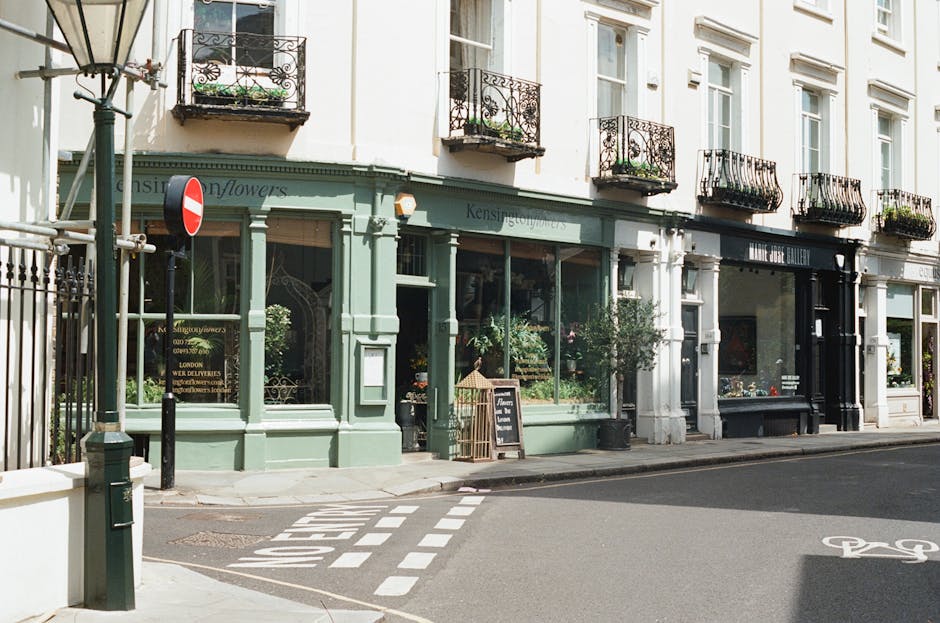
Cleaning charges and council rules in Kensington and Chelsea
If you live, rent, manage property, or run a business in Kensington and Chelsea, cleaning is rarely just about getting the place looking good. It also touches on building rules, waste handling, access arrangements, neighbour expectations, and sometimes council enforcement. That is why understanding Cleaning charges and council rules in Kensington and Chelsea matters so much. One missed detail can turn a simple clean into a frustrating delay, an extra fee, or an awkward conversation with a porter. And nobody needs that on a Tuesday morning.
In this guide, we break down what tends to affect cleaning charges, how local rules and building requirements usually work, what to check before you book, and how to avoid the common traps. We will also look at the practical side of compliance, from end of tenancy cleans to domestic and office work, so you can make a sensible decision rather than a rushed one.
To help you skim the essentials quickly, the article starts with a concise table of contents and then moves through cost factors, council-related considerations, best practices, and real-world examples.
- Why Cleaning Charges and Council Rules Matter
- How It Works in Practice
- Key Benefits and Practical Advantages
- Who This Is For and When It Makes Sense
- Step-by-Step Guidance
- Expert Tips for Better Results
- Common Mistakes to Avoid
- Tools, Resources and Recommendations
- Law, Compliance, Standards, or Best Practice
- Options, Methods, or Comparison Table
- Case Study or Real-World Example
- Practical Checklist
- Conclusion
- Frequently Asked Questions
Why Cleaning Charges and Council Rules in Kensington and Chelsea Matters
Kensington and Chelsea is a high-value, high-expectation part of London. That alone changes how cleaning is planned, quoted, and carried out. A flat in a mansion block, a townhouse on a narrow street, and an office near busy commercial premises all bring different access issues, disposal requirements, and building etiquette. Cleaning charges often reflect that reality.
There is also the council side of things. Local authorities do not usually set a single price for cleaning, but council rules can affect how and when work happens. Think about waste presentation, bulky waste, pavement obstruction, noise, skip placement, parking, and permissions for shared spaces. In a district where streets can be tight and residents are highly protective of their environment, these practical matters matter a lot.
For tenants, the biggest pressure point is often end of tenancy cleaning. A landlord, managing agent, or inventory clerk may expect a level of cleanliness that goes beyond a quick tidy. For homeowners, the issue is often whether a deep clean can be scheduled without causing disruption or breaking estate rules. For businesses, the concern is usually timing: can the office be cleaned outside working hours and without triggering access complaints or fire safety issues?
One more thing. Kensington and Chelsea is not the place to assume "it will probably be fine." It might be, but probably is not a strategy. Clear checks save money and hassle.
How Cleaning Charges and Council Rules in Kensington and Chelsea Works
Cleaning charges are usually built from a few practical elements: the size of the property, the type of cleaning required, the condition of the space, how long the job will take, what equipment is needed, and whether special access or restrictions apply. In areas like Kensington and Chelsea, quotes can also be influenced by parking, lift access, concierge procedures, floor protection needs, and whether materials must be carried through communal areas.
Council rules are a different layer. They do not replace private building rules, and that distinction trips people up all the time. The council may care about waste, noise, licensing, and public highway use. Your block, landlord, or business lease may care about booking procedures, insurance, access times, and keeping shared corridors clean. Both sets of rules can apply at once.
In plain English, the process usually works like this:
- You identify what kind of clean you need: regular domestic cleaning, house cleaning, office cleaning, end of tenancy cleaning, carpet cleaning, or upholstery cleaning.
- You check any building or estate restrictions, especially around access, lift use, parking, security, and waste removal.
- You ask for a quote that reflects the real conditions, not just the room count.
- You confirm whether cleaning products, equipment, consumables, and travel are included.
- You make sure the timing fits council-related or building-related rules for noise, loading, unloading, or waste handling.
That sounds straightforward. Sometimes it is. Sometimes the lift is out, the parking bay is suspended, the concierge needs 48 hours' notice, and suddenly the job takes longer and costs more. Very London, really.
If you are comparing providers, a transparent pricing page such as pricing and quotes can help set expectations early, while a clear overview of services makes it easier to match the right cleaning type to the right property.
Key Benefits and Practical Advantages
Getting the cleaning side and the rule side right brings more than convenience. It protects your time, your budget, and in some cases your deposit or commercial reputation.
- Fewer surprise costs: Clear charging factors mean fewer add-ons after the job has started.
- Smoother access: When building and council constraints are handled in advance, cleaners can work without avoidable delays.
- Better results: A job planned properly usually allows enough time for detail work rather than a rushed surface clean.
- Less conflict: Tenants, landlords, neighbours, porters, and managing agents all appreciate fewer misunderstandings.
- More reliable scheduling: In busy parts of Kensington and Chelsea, a well-timed clean is often the difference between stress and a calm handover.
There is also a quality angle that people do not always mention. When the cleaner knows the access constraints, floor protection requirements, and disposal expectations in advance, they can bring the right kit and allocate the right team. That usually shows in the final finish. A cleaner who can move steadily, rather than dodge obstacles every five minutes, tends to do a better job. Simple, but true.
For homes with carpets or upholstered furniture, it can be worth thinking beyond a standard clean. Related services like carpet cleaning in South Kensington or upholstery cleaning may be more efficient than trying to force everything into one basic appointment.
Who This Is For and When It Makes Sense
This topic matters to a surprisingly wide group of people. The obvious ones are tenants and homeowners, but the practical list is broader.
- Tenants who need an end of tenancy clean to a high standard.
- Landlords who want the property ready for the next occupant without disputes.
- Homeowners organising seasonal or pre-sale deep cleans.
- Estate managers and concierge teams who need work carried out within building rules.
- Office managers trying to keep premises clean without disrupting staff or visitors.
- Event organisers working around local access, timing, and waste constraints.
It also matters if you are buying or selling in the area and want the property presentation to reflect the standard people expect locally. If you are in the middle of a transaction, the cleanliness of a property can influence first impressions more than people admit. A polished hallway, no lingering odours, and clean touchpoints can make a place feel cared for.
For context on local property movements and expectations, some readers also find it helpful to browse Kensington real estate transactions or investment-focused Kensington property insight. Those pieces are not about cleaning specifically, of course, but they do explain why presentation and compliance matter so much in this market.
If you are curious about everyday life in the area itself, the lighter reads on whether Kensington is a great place and strolling through Kensington help paint the local picture nicely. Context matters more than people think.
Step-by-Step Guidance
Here is a practical way to approach cleaning charges and local rules without overcomplicating things.
- Identify the exact cleaning need. Is it a one-off deep clean, regular domestic cleaning, a house clean, office cleaning, or end of tenancy work?
- Check the property setup. Note the number of rooms, floor type, access route, parking options, lift availability, and any fragile finishes.
- Review building and estate rules. Ask about loading times, use of communal areas, insurance expectations, and waste procedures.
- Ask about council-related practicalities. If waste, parking, or external access is involved, make sure there is a plan that fits the local environment.
- Request a detailed quote. You want a written breakdown of labour, equipment, special treatments, and any likely extras.
- Confirm what is included. Skirting boards? Inside appliances? Carpet spots? Window interiors? Never assume.
- Prepare the property. Clear surfaces, remove valuables, and secure pets and children before the team arrives.
- Inspect the result. Do a proper walk-through before the cleaners leave if possible. It is much easier to resolve any issue immediately.
A small but useful detail: if you live in a building with strict access windows, do not book a cleaner too tightly around those limits. Give yourself a cushion. Traffic on the wrong day, one missing code, or a delayed lift booking can all derail things. You really do not want to be rushing a final inspection while someone is already at the door.
Expert Tips for Better Results
From a practical standpoint, the best cleaning jobs in Kensington and Chelsea are usually the ones planned with the least drama. That sounds obvious, but it is where many people slip.
- Ask for a site-aware quote. The cleaner should know whether parking, concierge access, stairs, or distance from the vehicle will affect the job.
- Flag special surfaces early. Marble, antique wood, delicate upholstery, and high-end fixtures need the right treatment.
- Think in zones. Prioritise bathrooms, kitchens, carpets, and high-touch areas first.
- Keep a photo record. For tenancies and property handovers, before-and-after photos can prevent silly arguments later.
- Build in time for drying. Carpet and upholstery work often needs a bit of breathing space. A damp carpet under heavy foot traffic is just annoying, and slightly tragic.
- Match the service to the standard required. A regular domestic clean is not always enough for a tenancy end or post-event reset.
If you are organising a more complex clean, service-specific pages like end of tenancy cleaning, domestic cleaning, house cleaning, and office cleaning can help you compare the right type of work before you book.
One more thing. The best cleaners are often the ones who ask awkward questions early. Not because they are difficult, but because they know what goes wrong later if nobody checks. That's usually a good sign.
Common Mistakes to Avoid
Most problems in this area come from assumptions. The job seems simple, so people skip the detail. Then the detail turns around and bites.
- Ignoring building rules: A cleaner arriving without access approval may waste time or have to reschedule.
- Using a vague quote: If the price is not tied to actual property conditions, expect awkward extras.
- Forgetting waste arrangements: Packaging, old items, and post-clean debris need to be handled properly.
- Assuming all cleans are the same: End of tenancy, deep cleaning, and routine domestic cleaning are very different in scope.
- Leaving booking too late: In a busy part of London, availability can tighten quickly, especially around move-out dates.
- Not checking insurance and safety standards: A professional cleaner should be able to explain how they protect property and people.
Another common slip is focusing only on headline price. Fair enough, nobody wants to overspend. But the cheapest quote is not always the cheapest outcome if it misses access problems, uses the wrong products, or leaves you paying twice. Harsh, but that is how it goes.
Tools, Resources and Recommendations
You do not need a huge toolkit to manage this well, but a few simple tools make life easier.
- A room-by-room checklist: useful for scope and handover.
- Phone photos: helpful for documenting the condition before and after cleaning.
- Building access notes: codes, porter instructions, lift timings, and contact names.
- Inventory or handover form: especially useful for rental properties and managed flats.
- Written quote: the simplest protection against misunderstanding.
For background on how a professional company presents its approach, it can also be worth reading the site's about us page, plus practical policy pages such as insurance and safety, health and safety, and terms and conditions. Those are the kind of pages people skip, then wish they hadn't. Happens all the time.
If payment processes matter to you, the details on payment and security can also be reassuring, particularly for larger bookings or repeat work. And if you want a broader service view, the company's services overview is a sensible starting point.
Law, Compliance, Standards, or Best Practice
Cleaning in Kensington and Chelsea is shaped by a mix of legal duties, building rules, and practical best practice. Not every situation is regulated in the same way, so it helps to separate what is mandatory from what is simply wise.
For households and tenants: the key issues are usually tenancy obligations, property condition, waste handling, and avoiding nuisance to neighbours or shared building users. End of tenancy expectations may be set by the tenancy agreement, check-in inventory, or managing agent. The council is not usually the body deciding whether your oven is spotless, but local rules can still affect waste, noise, and access.
For businesses and offices: cleaning schedules should fit fire safety arrangements, security protocols, and the needs of staff and visitors. If a building has reception procedures or out-of-hours rules, those should be followed carefully. That is basic professionalism, not a nice extra.
For communal buildings: shared corridors, lifts, entrances, and bin areas often come with estate or lease requirements. If a cleaner needs to move equipment through these spaces, the operator should act carefully and leave no mess behind.
Best practice means:
- clear scope of work before the job starts
- transparent pricing with any extras explained in advance
- appropriate insurance and safety procedures
- respect for building rules, neighbours, and access timings
- careful handling of waste and disposal materials
If you are reading this as a tenant, landlord, or agent, the safest attitude is to check the property paperwork and the building instructions before the cleaner arrives. It is boring, yes. It is also the easiest way to avoid chaos.
Options, Methods, or Comparison Table
Not every property needs the same approach. The table below gives a simple comparison of common options and what they tend to suit best.
| Cleaning option | Best for | Typical charging driver | Rule or access sensitivity |
|---|---|---|---|
| Regular domestic cleaning | Occupied homes needing ongoing upkeep | Time, frequency, and room count | Usually moderate, but building access still matters |
| House cleaning | Larger homes or more detailed household work | Property size, condition, and task list | Often higher due to access, stairs, and scope |
| End of tenancy cleaning | Move-outs and deposit-sensitive handovers | Condition, appliances, and depth of detail | High, because timing and inventory expectations matter |
| Office cleaning | Workplaces needing repeat cleaning | Frequency, floor area, and hours worked | High, due to security and out-of-hours rules |
| Carpet or upholstery cleaning | Stain removal, refresh, and deeper hygiene | Material type, stain level, and room size | Moderate to high if drying time and access are limited |
For many readers, the best approach is a combination. For example, a tenant moving out of a furnished flat may need end of tenancy cleaning plus targeted carpet cleaning. A boutique office may need regular cleaning with periodic deep cleans. One size rarely fits all, despite what some ads try to imply.
Case Study or Real-World Example
Picture a typical flat move in Kensington. The tenant has a checkout inspection on Friday morning. The building has a concierge, limited parking, and a narrow window for loading. The oven needs attention, the bathroom needs a proper scale clean, and the bedroom carpet has a few marks from a rolling chair. Straightforward enough on paper.
Now add the practical realities. The cleaner needs access codes in advance, the lift booking needs confirming, and the parking bay is not available until after 10:30. If nobody checks these details, the first hour disappears almost before the vacuum comes out. If someone does check them, the appointment runs calmly, the team starts on time, and the final handover is far less stressful.
In this kind of scenario, the charge may be higher than a simple standard clean because the work is more detailed and the logistics are more demanding. That is not a penalty. It is just the real shape of the job.
We have also seen the difference that a small amount of preparation makes. One resident moved everything portable off the floor, left clear notes for access, and flagged a delicate parquet area. The clean went smoothly, the finish was better, and nobody had to answer awkward follow-up calls later. A little preparation. That's all it took.
Practical Checklist
Use this quick checklist before you book or confirm a cleaning job in Kensington and Chelsea.
- Identify whether the job is routine cleaning, deep cleaning, tenancy cleaning, or specialist cleaning.
- Confirm the property size, room count, and any awkward access points.
- Check building rules for lifts, parking, concierge access, and permitted hours.
- Ask whether waste removal or disposal preparation is included.
- Request a written quote with any likely extras explained.
- Clarify whether products, materials, and equipment are included.
- Prepare surfaces, floors, and access routes before arrival.
- Keep valuables, keys, and entry instructions organised.
- Take before-and-after photos if the job affects a tenancy or handover.
- Inspect the work promptly and raise any concerns straight away.
Practical takeaway: In Kensington and Chelsea, the cheapest clean is not always the best value. A clear quote, proper access planning, and respect for local rules usually save more money than a bargain price ever will.
Conclusion
Cleaning charges and council rules in Kensington and Chelsea sit at the intersection of property expectations, local practicality, and good old-fashioned organisation. If you understand the real cost drivers, check the building and council-related constraints early, and choose the right type of cleaning for the job, everything becomes much easier. Less stress. Better results. Fewer surprises.
For residents, landlords, and businesses alike, the smartest move is to treat cleaning as part of property management, not as a last-minute chore. That shift in mindset makes a big difference. It really does.
If you want more local context, the blog archive at the Kensington and South Kensington blog includes related reading on property, local life, and specialist cleaning topics that can help you plan with a bit more confidence.
Get a free quote today and see how much you can save.
And if you are standing in a hallway wondering where to begin, start small: check the rules, define the scope, and take the first sensible step. The rest usually follows.
Frequently Asked Questions
What affects cleaning charges in Kensington and Chelsea the most?
The biggest factors are property size, level of dirt, access difficulty, parking, and whether the job needs specialist work such as carpet or upholstery cleaning. In this area, logistics can matter almost as much as the cleaning itself.
Do council rules change the price of a cleaning job?
Not directly in most cases, but they can influence the time and planning needed. If parking, loading, noise, or waste handling becomes more complicated, that can affect the final quote.
Is end of tenancy cleaning usually more expensive than a regular clean?
Yes, it often is, because it is deeper and more detailed. End of tenancy work usually includes more intensive kitchen and bathroom cleaning, plus attention to the areas that matter during a checkout inspection.
What should I ask before booking a cleaner in Kensington and Chelsea?
Ask what is included, how access is handled, whether products and equipment are provided, whether there are extra charges for stairs or parking, and how they deal with building rules. Clear questions save a lot of back-and-forth later.
Do I need to tell the cleaner about building access restrictions?
Absolutely. If there are concierge procedures, lift bookings, time limits, or entry codes, the cleaner needs to know before arrival. Otherwise, the appointment may be delayed or shortened.
What is the difference between domestic cleaning and house cleaning?
In practice, domestic cleaning usually refers to routine ongoing cleaning in homes, while house cleaning can imply a broader or more detailed scope, especially for larger properties. The exact meaning depends on the provider, so it is worth confirming the task list.
Can I combine carpet cleaning with a general house clean?
Yes, and that often makes sense. It can be more efficient to schedule them together, especially if you want a full refresh before moving out, hosting guests, or renting the property again.
What happens if a cleaner arrives and cannot access the property?
That depends on the booking terms, but it can lead to delays, rescheduling, or an access-related charge. This is why it is important to confirm details in advance and leave emergency contact information if needed.
Are cleaning companies in Kensington and Chelsea expected to have insurance?
Professional providers should be able to explain their insurance and safety procedures. It is a basic trust signal, especially in higher-value homes and busy shared buildings.
How do I avoid surprise extra charges?
Give a full description of the property, mention difficult access, list the exact rooms and tasks, and ask for a written breakdown of the quote. If something feels unclear, ask again. It is better to sound slightly cautious than to pay for assumptions.
Is office cleaning treated differently from home cleaning?
Yes. Office cleaning often involves security procedures, out-of-hours work, and different hygiene expectations. There may also be rules around equipment storage, staff areas, and waste disposal.
Where can I learn more about the company's policies and service approach?
You can review the service overview, pricing, insurance, terms, and related policy pages to understand how a provider works before you book. That is especially useful if you want to compare options carefully rather than rush into the first available slot.