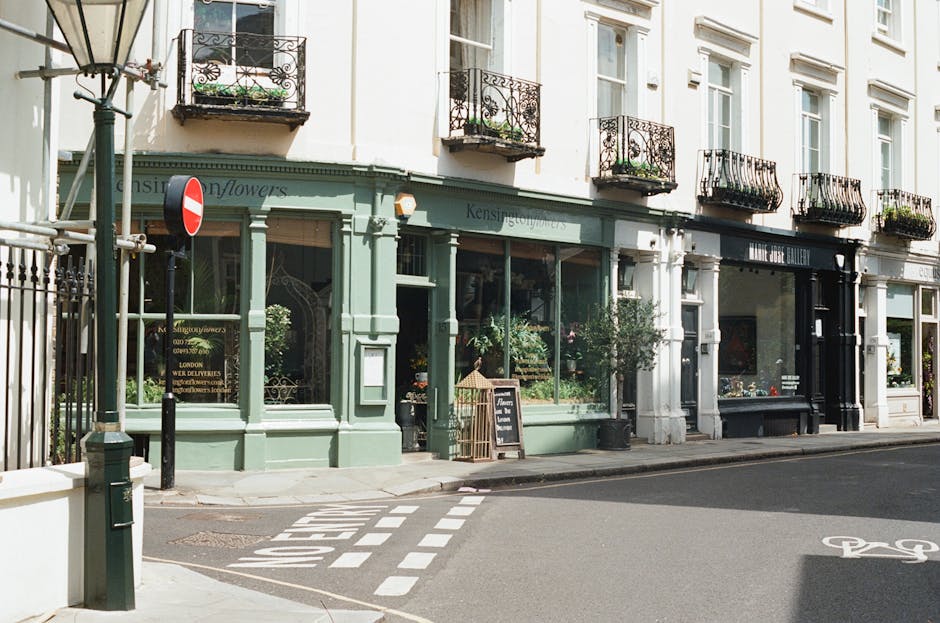
Avoid Common Access Problems with Kensington Flat Cleaning
Flat cleaning in Kensington sounds straightforward until access gets in the way. A locked gate, a missing entry code, a lift out of service, or a neighbour who was never told the crew were coming can turn a simple clean into a frustrating delay. If you want to avoid common access problems with Kensington flat cleaning, the answer is usually not more cleaning products. It is better planning.
This guide walks you through the real-world access issues that crop up in Kensington flats, how to prevent them, and what to do if things go wrong on the day. Whether you are arranging a one-off spruce-up, a regular visit, or a move-related clean, a bit of preparation makes everything smoother. And honestly, it saves that awkward moment when everyone is standing in the hallway looking at a door that will not open. Not ideal.
Why access planning matters
Access sounds like a small detail. It rarely is. In Kensington, flats can sit behind shared entrances, porter-controlled lobbies, basement courtyards, narrow stairwells, and old lift systems that seem to have their own opinions. If the cleaner cannot get in quickly and safely, the appointment slows down before it has even started.
That affects more than the clock. It can affect the standard of the clean, the comfort of neighbours, the security of the building, and the quality of the handover if you are moving out. A cleaner rushing because they have lost half an hour to access issues is never the best setup. You can usually feel it in the pace of the work.
There is also the practical side. Access confusion often leads to repeat calls, rescheduling, waiting charges, or the need for someone else to step in. If you are comparing services, it helps to look at how clearly the company explains its booking and arrival process. Pages like pricing and quotes and terms and conditions are a useful starting point because they often set expectations around timing, access, and service scope.
Practical takeaway: access problems are rarely just "inconvenient". They affect cost, timing, safety, neighbour relations, and the overall quality of the clean.
How access planning works in practice
The simplest way to think about access planning is this: the cleaner needs a clear route to the property, a way to enter the building, a way to enter the flat, and enough information to move around without causing disruption. If even one of those pieces is missing, the job becomes awkward very quickly.
For a Kensington flat clean, access usually falls into a few parts:
- Building entry - front door codes, keys, buzzer systems, porter desks, or shared entry fobs.
- Flat entry - the actual key, a lockbox code, or someone meeting the cleaner in person.
- Internal movement - lift access, stair access, parking arrangements for equipment, and permission to use communal areas.
- Property-specific notes - pets, alarm systems, fragile flooring, resident restrictions, or time windows imposed by the building.
Good access planning is not complicated. It is mainly about sharing the right details early, checking them again the day before, and making sure the person who opens the door is actually available when the team arrives. Sensible, really.
If your clean is connected to a tenancy change, a move, or a fuller refresh, related services such as end of tenancy cleaning, move-in cleaning, move-out cleaning, or one-off cleaning may need extra access coordination because there are usually multiple people and deadlines involved.
Key benefits and practical advantages
Getting access right gives you a lot back for a fairly small amount of effort. The main benefit is obvious: the clean starts on time. But there are a few less obvious wins too.
- Less disruption - no running around for keys or codes once the team is already at the door.
- Better cleaning quality - the cleaner can focus on the work instead of waiting, calling, or adjusting plans mid-job.
- More privacy and comfort - a clear access plan avoids awkward interruptions and repeated knocking.
- Lower risk of damage or confusion - fewer rushed decisions, fewer missed instructions, fewer "was that cupboard meant to be opened?" moments.
- Cleaner communication - the booking feels calmer and more professional from the start.
There is another quiet benefit: access planning builds trust. If a service is organised, detailed, and transparent before the appointment begins, that usually carries through to the actual clean. That is especially useful in denser buildings where communal arrangements matter.
If access is likely to involve shared hallways, entry points, or building rules, it can be worth looking at communal area cleaning and house cleaning services too, since those jobs often rely on smooth movement in and out of the property. For larger or more routine needs, regular cleaning can make access planning more predictable because the setup is already known.
Who this is for and when it makes sense
This advice is useful for almost anyone arranging cleaning in Kensington, but it matters most in a few situations. If your flat has shared entry, restricted lift access, or a strict concierge system, you will notice the difference immediately. If you are not home during the appointment, you will notice it even more.
It makes particular sense for:
- Tenants arranging a final clean before check-out
- Landlords or letting agents managing repeated visits
- Residents in mansion blocks, conversions, or porter-controlled buildings
- Airbnb hosts who need quick turnarounds
- Busy households who want a visit without being present
- Anyone booking add-ons like carpet cleaning, sofa cleaning, or window cleaning, where equipment and timing matter a bit more
It also makes sense after building work or a big clear-out. If you have had trades in and out, or if the place is half-packed, access can become messy without anyone meaning for it to. In those cases, after builders cleaning or house clearance may need slightly more coordination than a standard domestic visit.
Step-by-step guidance
If you want a clean, low-stress booking, follow this order. It is simple, but simple works.
- Confirm the exact address and flat number. Sounds obvious, but in multi-storey blocks the wrong door number is one of the easiest ways to waste time.
- Share entry details in writing. Give codes, fob instructions, concierge notes, and any restrictions on using service lifts or loading bays.
- Agree who will open the door. If someone is meeting the cleaner, make sure that person knows the time and has their phone charged. Tragic how often that matters.
- Check key handling. If a key is being collected, confirm where and how. If a lockbox is being used, check the code again before the day.
- Warn about building rules. Some blocks are fussy about where cleaners can park, unload, or wait. Better to know upfront.
- Flag anything unusual. Pets, alarm systems, fragile floors, restricted areas, or unusual access to balconies and terraces should be mentioned early.
- Do a quick pre-visit check the day before. Test codes, find keys, and make sure someone who can help is available if needed.
- Leave simple instructions inside the flat. A short note about priorities, delicate items, or no-go areas can save a lot of back-and-forth.
One useful habit is to think like the cleaner for a minute. Where do they park? How do they get through the first door? Where do they leave shoes or equipment? Which room should they start with? That small mental exercise catches problems early.
If the property is being let or used for guests, it may help to compare access arrangements with services such as Airbnb cleaning and deep cleaning, because those bookings often depend on tight handover windows and clear entry instructions.
Expert tips for better results
Here is the part where a little experience saves a lot of hassle.
Keep the access route as short as possible. If the cleaner needs to call you, wait for a porter, then collect a key from another location, the appointment is already under pressure. One clear route is better than three possible routes.
Use one main contact person. Too many people giving instructions leads to crossed wires. It happens all the time in shared households. One person, one plan.
Be specific about the building quirks. "Use the side entrance after 10 a.m." is much more useful than "there's another way in." Specific beats vague every time.
Tell the cleaner if the building is sensitive to noise or congestion. Some Kensington blocks are calm and tolerant; others are not. If a vacuum or equipment trolley might be awkward at certain times, say so.
Leave out what should not be touched. A small note works. "Do not open the office drawer in the hallway" or "please leave the blue bedroom door closed." Very practical, and oddly reassuring.
To be fair, the best access setups are usually the boring ones. The cleaner arrives, gets in, starts the work, and nobody needs to improvise. That is the sweet spot.
Common mistakes to avoid
A lot of access trouble comes from small assumptions. Nothing dramatic. Just the usual bits people think "someone else will sort out".
- Assuming the key is where you last saw it. Always confirm.
- Forgetting to pass on code changes. A temporary code that expired yesterday will not help anyone today.
- Not telling the cleaner about concierge rules. Some desks require names, ID, or appointment confirmation.
- Booking during restricted hours. If a building has quiet hours or limited lift use, that needs planning.
- Leaving pets unmentioned. Even friendly pets can create access stress if nobody knows they are there.
- Giving instructions by memory only. "I'm sure the side gate works" is not a plan.
- Not checking parking or unloading space. Especially relevant if equipment is involved.
Another common one: expecting a cleaner to troubleshoot building access on the spot without warning. Sometimes they can. Sometimes they cannot. Better to remove the guesswork before it starts.
Tools, resources and recommendations
You do not need specialised equipment to avoid access problems. What you do need is a tidy system. A short written note, a saved phone number, and a simple checklist usually do the trick.
Useful things to have ready include:
- A note with the full address and flat number
- Entry instructions for doors, gates, lifts, or concierge desks
- Named contact details for the person meeting the cleaner
- Any access codes or key-handling notes
- A short list of priorities for the clean
- Building-specific instructions such as service lift rules or parking restrictions
It is also sensible to review practical pages before booking. About us can help you understand the team you are dealing with, while insurance and safety and health and safety policy are worth checking if you want reassurance around on-site working. If you are concerned about payment handling, payment and security is a sensible page to review.
And for a cleaner booking process overall, contact us is the place to raise access questions before the appointment. That small conversation can save a lot of back-and-forth later. Truth be told, it usually does.
Law, compliance, standards, or best practice
Access in residential buildings is not just a convenience issue; it can overlap with safety, privacy, building rules, and reasonable care. You do not need to become a legal expert to manage it well, but it helps to follow normal UK best practice.
For example, a cleaner should not be expected to force entry, bypass security, or use communal spaces in ways that breach building rules. Likewise, anyone arranging cleaning should make sure the cleaner has lawful permission to enter the property and can work safely once inside.
That is where clear instructions, known contact details, and a sensible handover process matter. If you are a landlord, agent, host, or resident, you should also think about confidentiality and respectful use of information. Avoid sharing more access detail than necessary, and store key codes carefully. Basic, but important.
Where services touch shared entrances or communal hallways, it is also good practice to minimise obstruction, keep noise down, and avoid leaving equipment unattended. In older Kensington blocks, where stairs can be tight and shared areas are well used, that courtesy goes a long way.
If you need a service that involves more moving parts, such as commercial cleaning, office cleaning, or communal area cleaning, the same principle applies: clear access, clear permission, clear responsibility.
Options, methods, or comparison table
There are a few common ways to handle access for flat cleaning. Each one has strengths, and each one can fail if used carelessly.
| Access method | Best for | Pros | Watch out for |
|---|---|---|---|
| Meet-and-greet | One-off visits, short cleans, first-time bookings | Simple, personal, little ambiguity | Depends on someone being on time and available |
| Key collection or handover | Regular cleaning, landlord-managed properties | Works well when schedules are predictable | Key mix-ups, missed handovers, unclear return process |
| Lockbox or coded entry | Flexible access, out-of-hours visits, guest stays | Convenient and efficient | Codes change, boxes get moved, instructions go stale |
| Concierge-assisted access | Porter-controlled buildings, managed blocks | Very helpful when the desk is organised | Not every concierge works the same way, so confirm ahead |
In practice, the best option is the one that matches the building rather than the one that sounds easiest on paper. A lockbox might be brilliant in one block and a nuisance in another. A meet-and-greet can be perfect for a first appointment, but less useful for repeat work if the same issue comes up every time.
If you are booking specialist cleaning too, compare the access needs before you bundle jobs together. oven cleaning, mattress cleaning, upholstery cleaning, and patio cleaning can each bring different setup needs. One job may be easy; four jobs in a row may need proper planning.
Case study or real-world example
A fairly typical Kensington scenario goes like this. A resident books a flat clean for a Friday morning after travelling all week. The building has a side entrance, but only between certain hours. The cleaner arrives at the main door, calls the client, and learns the flat key is with a neighbour two streets away. Nothing disastrous, but the appointment is already wobbling.
In a better version of the same booking, the client sends the door code, confirms the side entrance, tells the cleaner where the key will be left, and notes that the lift is often busy between 8:30 and 9:30. The team arrives, gets in, and starts where they need to start. The clean finishes neatly, and nobody has that frazzled look you get when a morning has gone sideways.
That is the point. The cleaning itself may be identical, but the experience is completely different. One is reactive, the other organised. You feel it from the first minute.
Sometimes access problems are not dramatic. Sometimes they are just a doorbell that does not work, or a code that nobody remembers. Still annoying. Still fixable. And usually preventable next time.
Practical checklist
Use this before the appointment. It is the kind of list that saves you from a headache later.
- Confirm the full address and flat number
- Share building entry instructions
- Provide any door codes, fob details, or key instructions
- Agree who will meet the cleaner, if anyone
- Check concierge rules, lift rules, and parking restrictions
- Tell the cleaner about pets, alarms, or fragile surfaces
- Note any no-access rooms or areas
- Keep your phone on and nearby during the appointment window
- Recheck codes and keys the day before
- Leave a short priority list inside the property
Quick summary: if access is clear, the cleaning is easier, faster, and calmer. If access is unclear, everything gets harder than it needs to be. That is just how it goes.
If you are ready to arrange a smooth visit and want fewer surprises on the day, speak to a team that treats access planning as part of the service, not an afterthought. A little preparation now is worth a lot less stress later.
Get a free quote today and see how much you can save.
Conclusion
To avoid common access problems with Kensington flat cleaning, think ahead, share details early, and keep one clear access plan. That means fewer delays, less confusion, and a better result overall. It also makes the whole process feel more respectful and straightforward, which matters in a place like Kensington where buildings, schedules, and people's time all tend to be a bit precious.
Most access issues are small on their own, but they stack up quickly. The good news? They are usually easy to prevent. A few minutes of preparation can save an entire appointment from becoming a scramble. And that, in the end, is what good flat cleaning should feel like: calm, tidy, and quietly under control.
One last thing. If you can make access effortless, do it. Future-you will be grateful.
Frequently Asked Questions
What is the most common access problem with flat cleaning in Kensington?
The most common issue is incomplete access information. That usually means missing codes, unclear key handover arrangements, or not knowing which entrance the cleaner should use. In shared buildings, concierge rules and lift restrictions can also trip people up.
How far in advance should I share access details?
As soon as possible, ideally when you book, and then again the day before if anything might have changed. If a code, key location, or contact person changes at the last minute, it is worth sending an update straight away.
Can a cleaner enter if I am not at home?
Yes, if you have arranged it properly. The cleaner needs a lawful and safe way in, plus clear instructions for leaving afterward. A key handover, lockbox, or meeting arrangement can all work, provided the details are accurate.
Should I leave my flat key with the cleaner?
Only if you are comfortable doing so and the key-handling arrangement is clear. Many people prefer a simple handover or lockbox system. What matters most is avoiding confusion about who has the key and when it will be returned.
What should I tell a cleaner about my building?
Tell them about the entrance they should use, any codes, concierge procedures, parking limits, lift restrictions, and whether they need permission to use communal areas. If there are unusual building rules, say so plainly. No need for drama, just the facts.
How do I avoid delays on the day of the clean?
Check the access route the day before, keep your phone close, and make sure the cleaner has all the details in writing. A simple checklist helps. So does one named contact who can answer quickly if needed.
Are access issues worse for deep cleaning or one-off cleaning?
They can be. Deeper jobs often take longer and may involve more equipment, more rooms, or more movement in and out of the property. That means access needs to be a bit more organised than for a very quick visit.
What if my concierge refuses entry?
That is exactly why building rules should be checked in advance. If the concierge needs confirmation, ID, or a booking reference, make sure the cleaner has what they need before arrival. If rules are unclear, contact the building management or the service provider ahead of time.
Do shared entrances cause problems for cleaning appointments?
They can if people do not know the cleaner is coming. Shared entrances work well when residents, porters, and cleaners are all on the same page. The main risk is confusion, especially in busy blocks where several people come and go.
Is it better to book regular cleaning or one-off cleaning if access is tricky?
If access is awkward but predictable, regular cleaning can sometimes be easier because the routine stays the same. If you only need occasional visits, one-off cleaning may still work fine, but you will need to give fuller instructions each time.
What if the access code changes after I book?
Send the update immediately. That is one of those small details that can save an appointment. If possible, confirm the change by message and make sure the new code is the one everyone is using.
Can access planning help with other services too?
Absolutely. The same approach helps with carpet cleaning, sofa cleaning, window cleaning, and other specialist work where equipment, timing, or building movement matters. Clear access makes almost any cleaning job easier, and usually better.